Art Series
A House Made from Burnt Earth
With John Wardle, architect and owner of Burnt Earth
Wadawurrung Country, Victoria
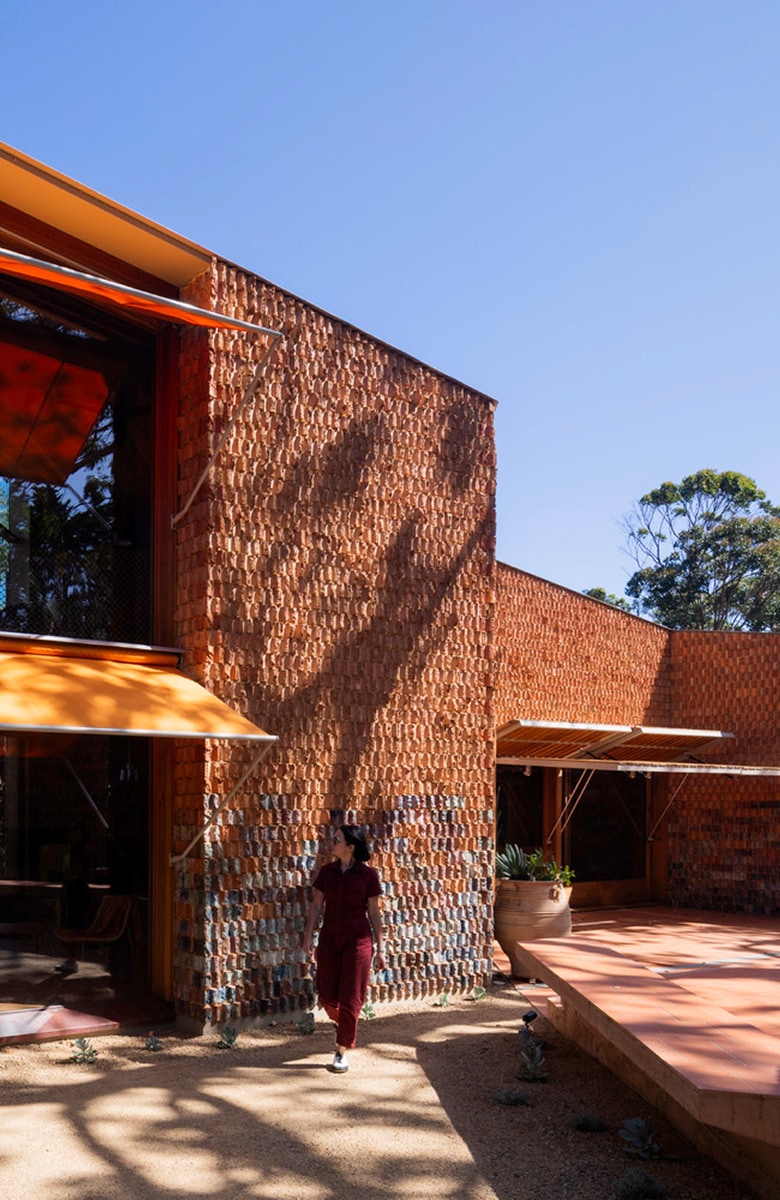
On a bluff above the sea on Victoria's western coast sits Burnt Earth, the home of John Wardle, architect and the founding partner of Wardle. Known for designing major cultural structures across the country, John and his wife Susan completed the house in 2023 as a family retreat. It's a living environment, designed in thoughtful response to the landscape.
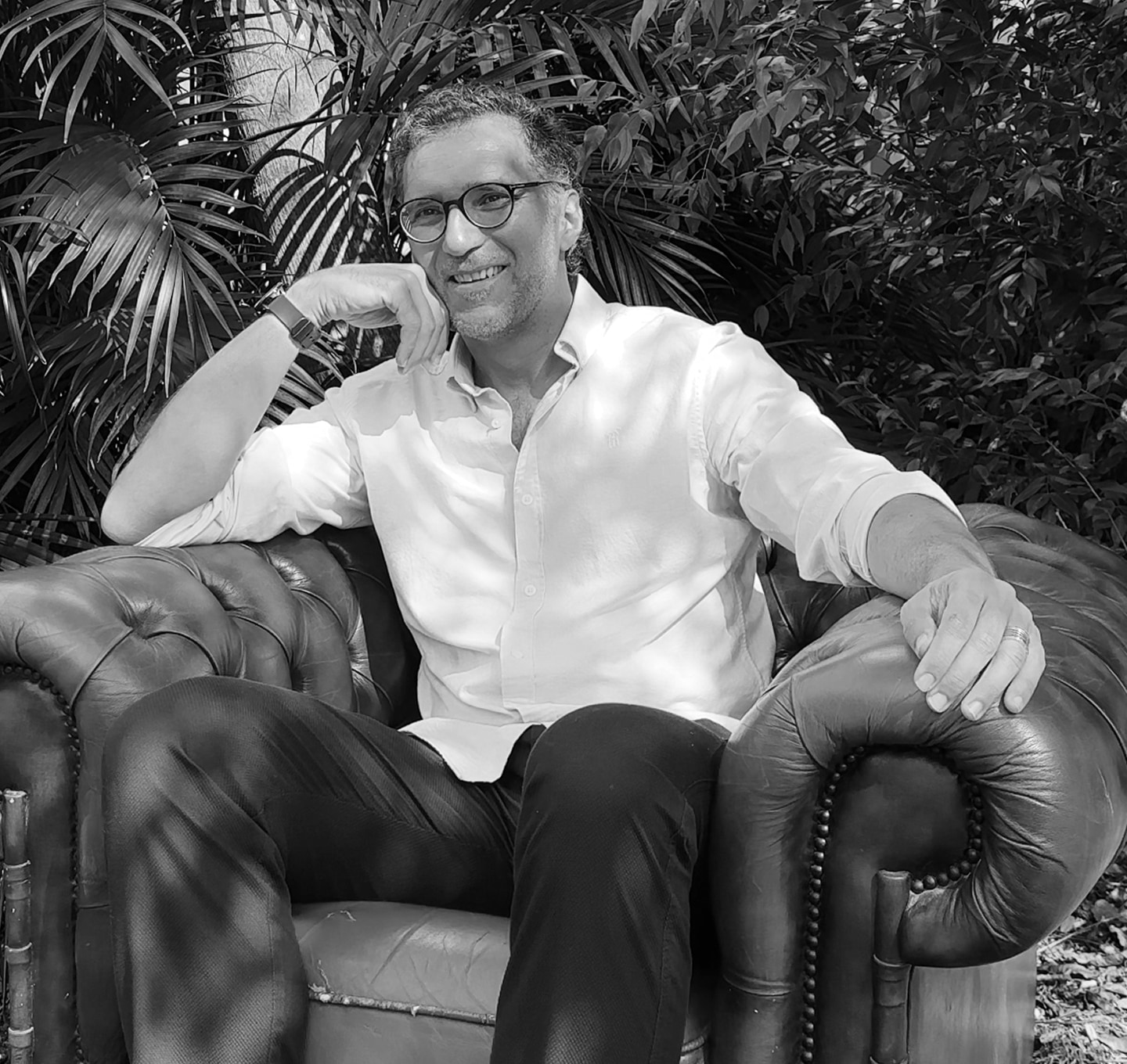
For our conversation, John sat in a favourite Patricia Urquiola for Moroso armchair, beside a little table he describes as “the most wonderfully humorous object”, its turned base once part of a Pinocchio toy mould. (He owns a pair, along with a matching lamp.) A painting by Tiwi artist Pedro Wonaeamirri hangs behind him. Like the house itself, every detail is a quiet expression of story, material and meaning.
Let's start with the name. Why Burnt Earth?
I'd been thinking about the Italian word, terracotta, which translates to “baked earth”. I wanted to give it a more Australian inflection. Given our hotter climate, at the bottom of the southern hemisphere, there was something in that shift, from baked to burnt. So it became Burnt Earth.
Was there a particular feeling or mood you wanted to create?
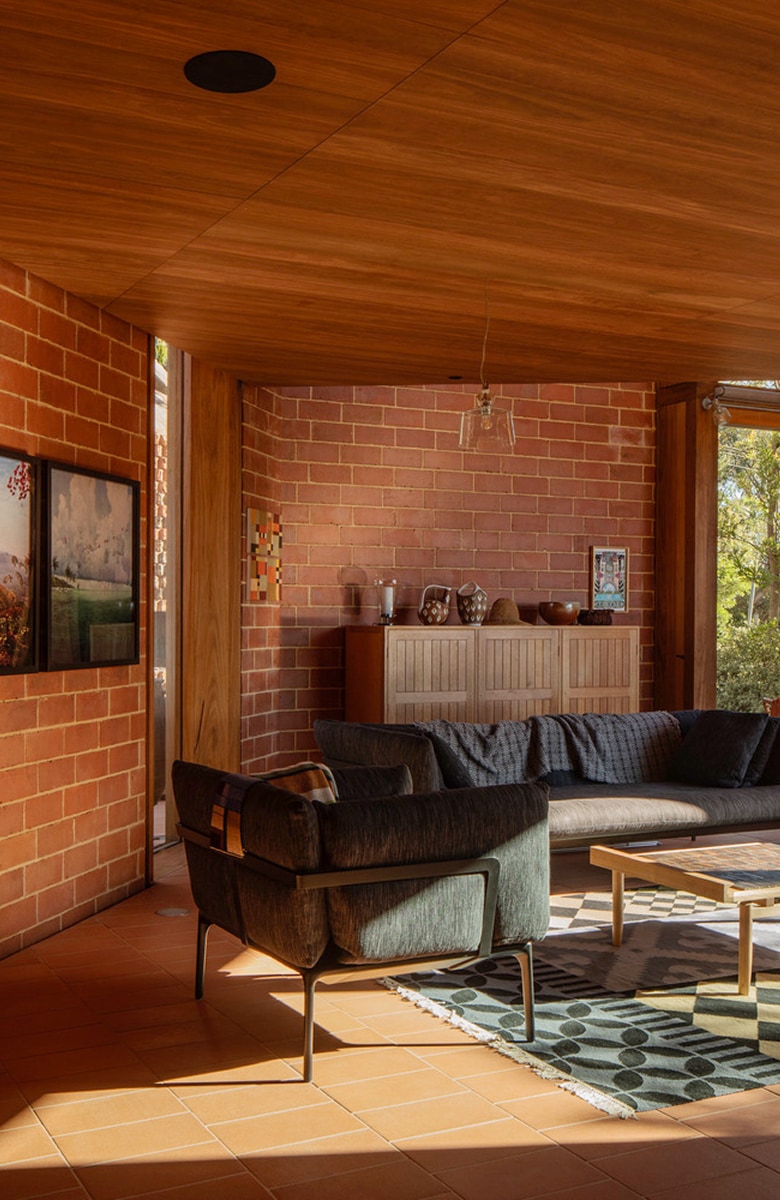
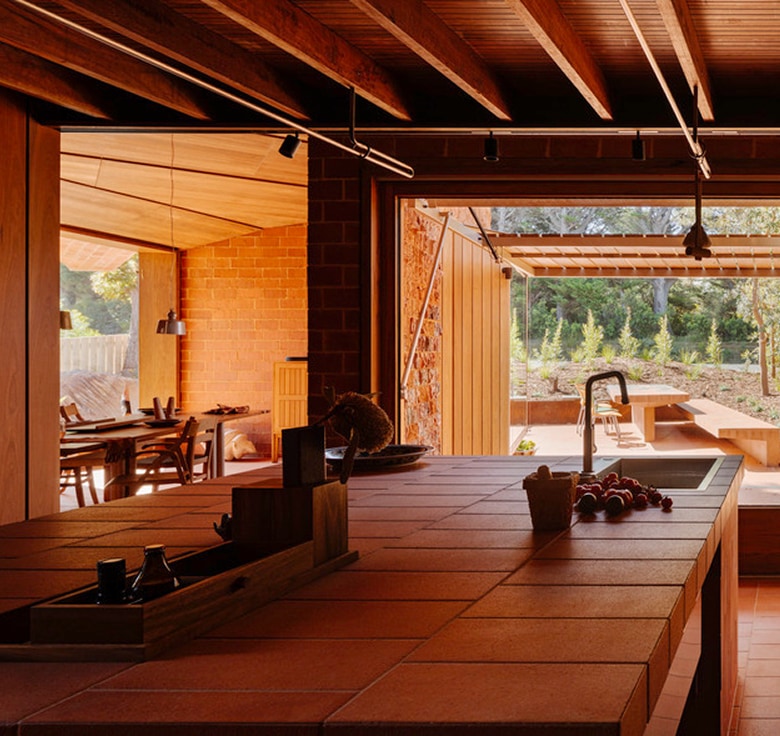
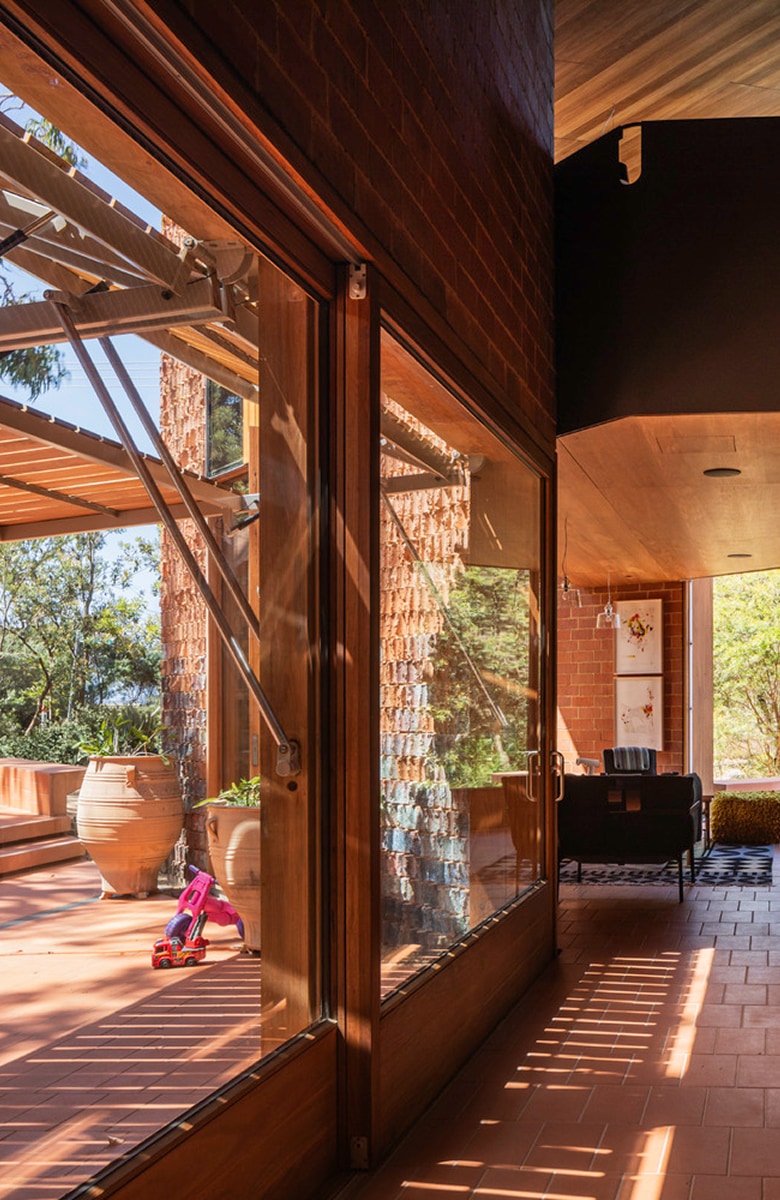
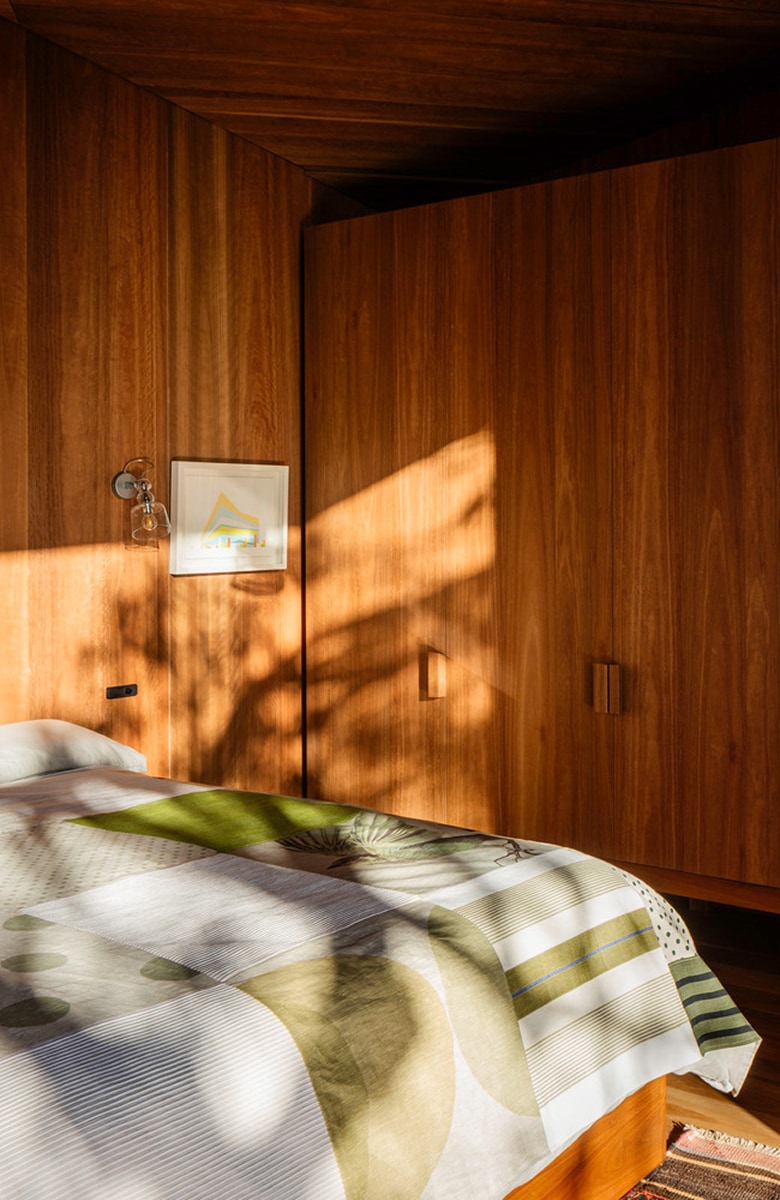
It's a house of interesting tonality. So many beach houses are bright and white. I wanted this to be a place where we'd hunker down, somewhere we'd come in winter as much as in summer. That mix of materials—the terracotta, the darker timbers—has a kind of moodiness that I really enjoy.

In your view, what makes for a truly Australian beach house?
I think beach houses, more than any other kind of residence, should be specific to place. We've done more houses on the coast than in the city, and there's something about shaping a house around both daylight and views that always comes into play. Burnt Earth is very much part of that equation. The window arrangement is all about drawing in light, shielding from the harsher west sun in the afternoon, and opening out to views toward the southeast and the ocean beyond. It's about responding to the exact circumstances of the site.
Years ago, we designed a beach house for a couple whose city home we'd done. I think they thought they were flattering us when they said, “We'd love the same thing again by the water.” And I said—oh no, it should be completely different. Do you want to wake up on a Saturday morning, after arriving late on a Friday night, in a house that feels just like your weekday home? It should be inexorably different, so it shifts you into a different gear, a different state of mind.
How did you and Susan shape the house together?
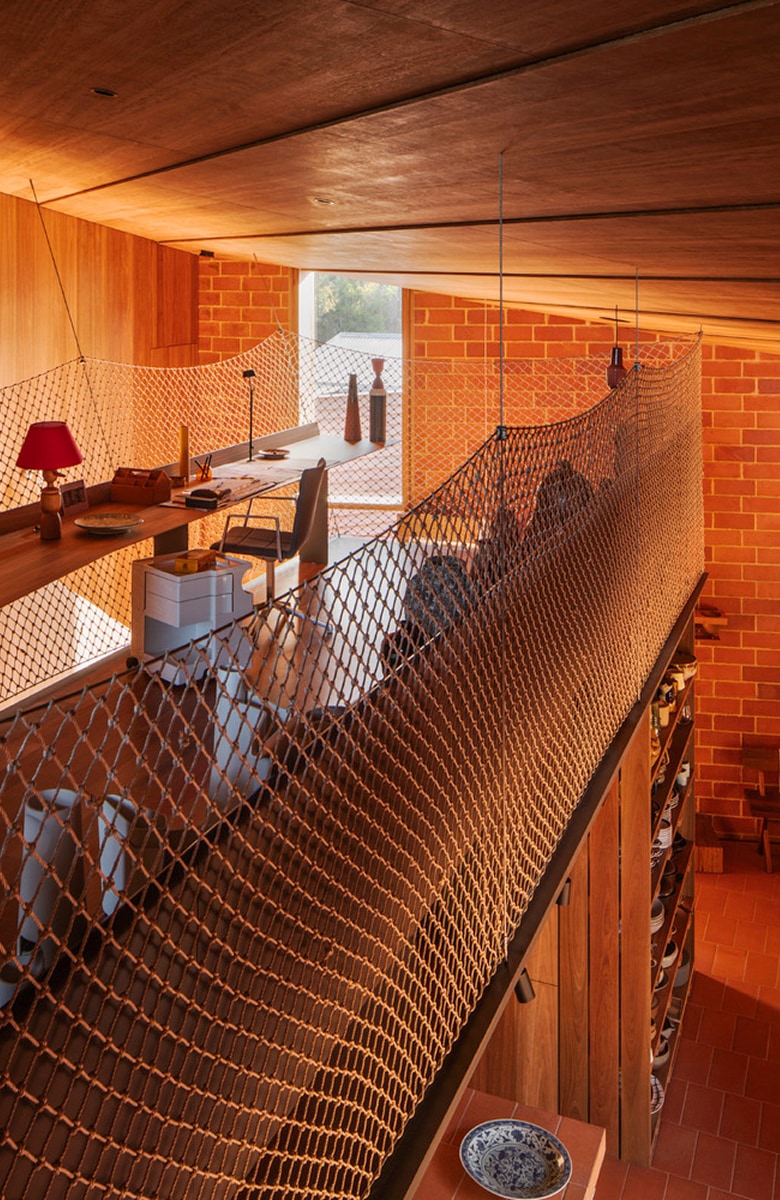
We'd owned this block, with an awkward little shack on it, for 16 years before we ever thought about building. The layout evolved over years of conversation. It's very much a place for two people, but also an expanded family across generations. Susan gave a lot of thought to how the house would work when we were all together as a family. That part was always hers to shape.
Do you think you'll stay forever?
Absolutely. This is our place and it always will be. I spent many school holidays on this coastline, as did our children. Now we have four grandsons under four, all finding their place on this same beach.
I think we all seek moments of constancy in a world that has changed so much. Playing on the coastal edge, swimming, surfing. Places like Burnt Earth, that still carry those experiences forward, become even more meaningful. They've shaped our family. And I think that's true for so many Australians living along the coast.
Photography: Trevor Mein
Portrait: Pier Carthew

It’s very much a place for two people, but also an expanded family across generations.JOHN WARDLE